


TRAVEL STORIES · PERSONAL
A place to come together
My vision is about everyday life, rather than a building alone.
By Ties Jezuit · Planning notes
Life outdoors
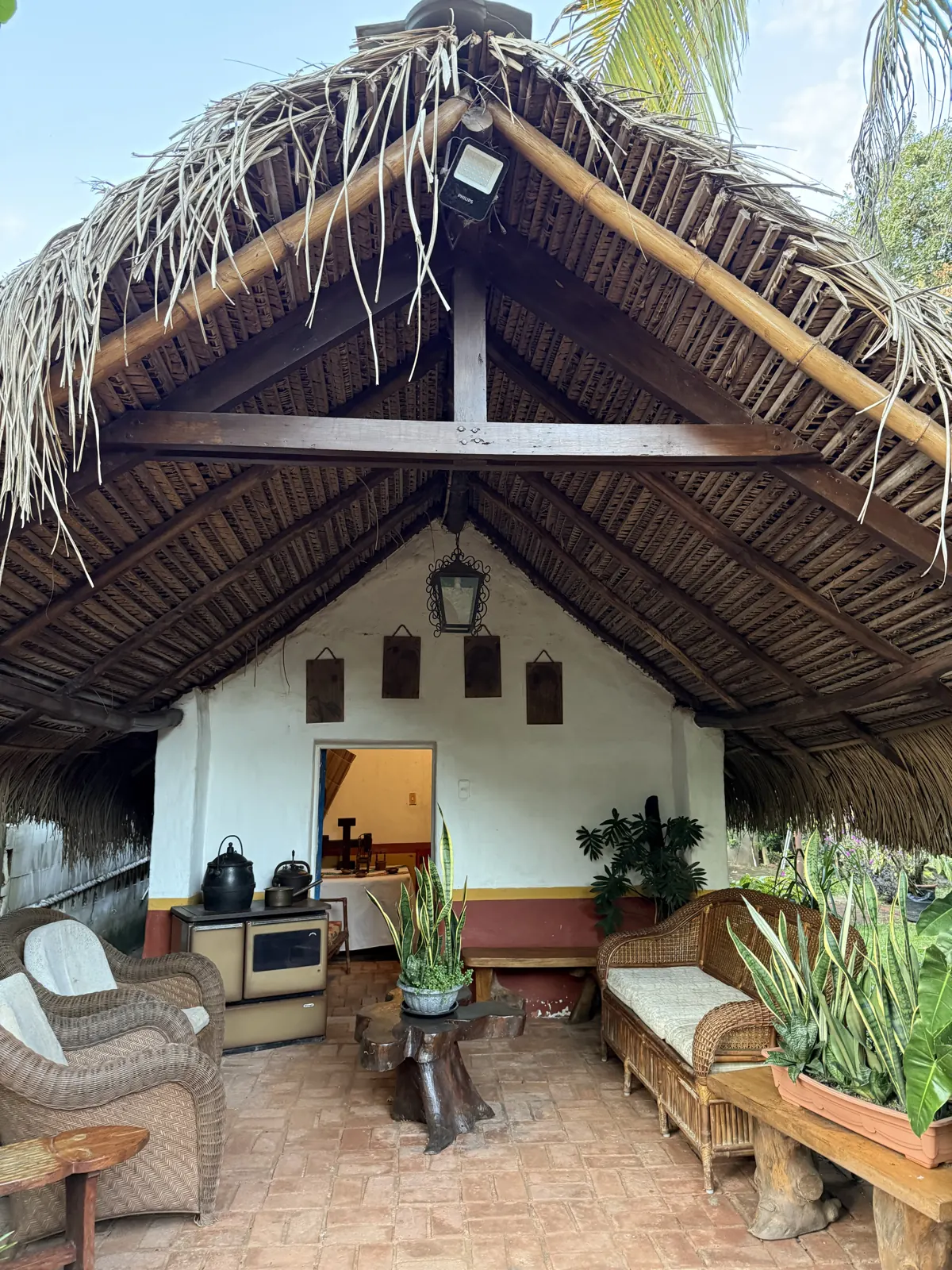
Green surroundings, room to move and people around me matter in how I want to shape my life. You can see this in my travel photographs and in the idea of a house with a generous veranda.
An idea that needs time
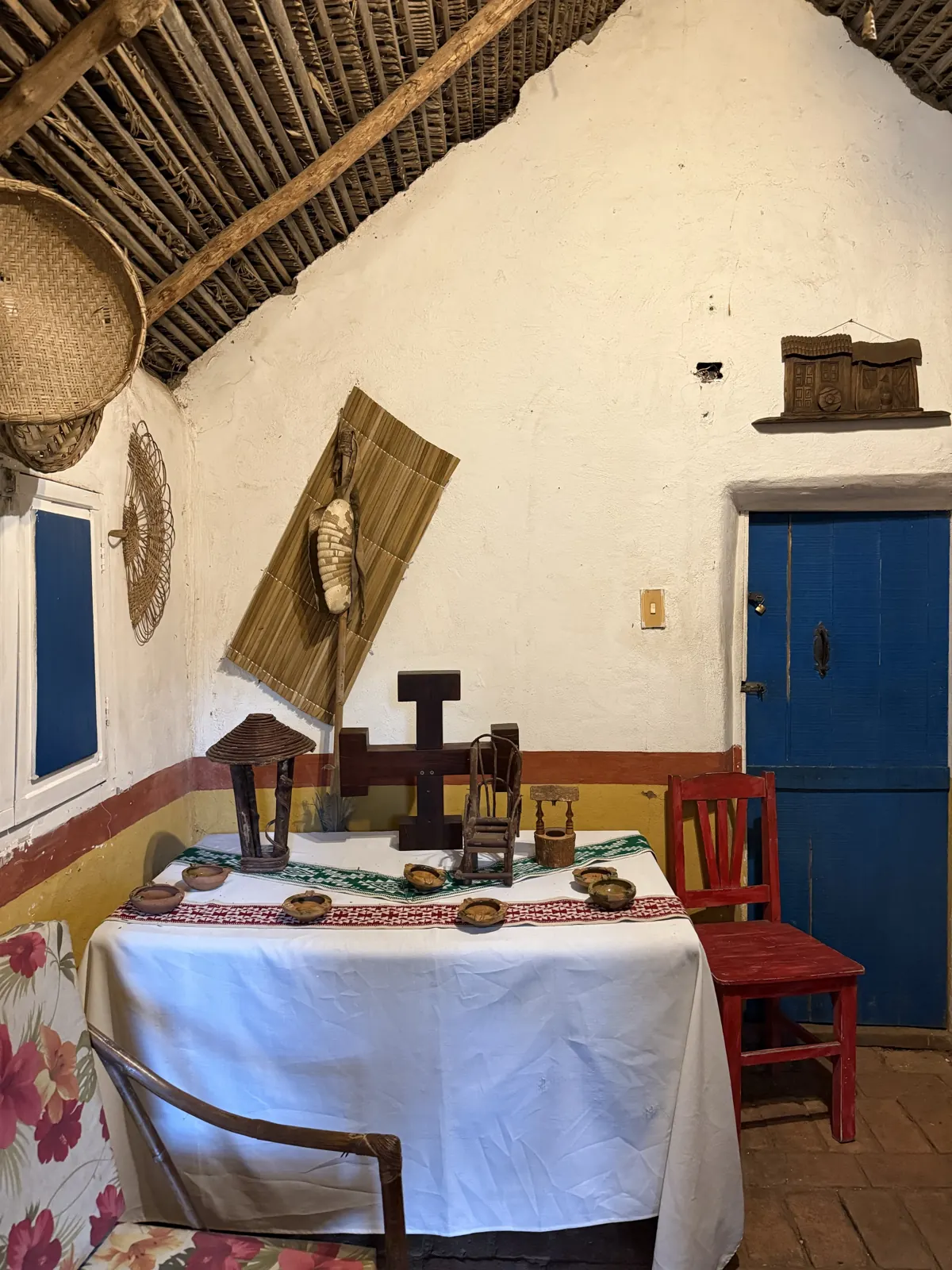
The house images and 3D model suggest a direction: shared meals, conversations and time outdoors. They are a design idea, rather than an existing house, completed village or guest accommodation.
From vision to considered choices
A vision helps identify the next step that fits you. It does not need to become a promise that everything will be ready quickly. I value being clear about what exists, what we are exploring and what remains an ambition.
Everyday life behind a vision
The Utopia papers go beyond an attractive veranda. They explore how water, energy, food, workshops and shared spaces could support everyday life. For me, the interesting question begins with people: what can we learn ourselves, where do we need help and how do we keep a place enjoyable after its novelty has faded? Maintenance and clear agreements belong in the idea as much as an appealing design.
Community needs agreements too
Living together takes more than writing similar values on paper. You need to discuss how decisions are made, who is responsible for shared tasks and what happens when expectations differ. The documents explore those subjects as part of a future development. I share that direction because it explains my interest in independence and connection, without presenting the project as already completed.
Start small enough to learn
A shared place does not need to begin as an entire village. Start with a limited experiment: organise a meal together, agree a day of shared work or use a temporary space with the owner’s permission. Decide its purpose, duration and who covers which costs before you begin. Afterwards, examine what actually worked. Did people return? Were responsibilities fair? Could someone work quietly while others spent time together? An appealing idea becomes an experience you can learn from before land, buildings or long-term commitments enter the picture.
Make room for privacy and difference
A veranda can invite conversation, but people also need time alone. Consider quiet work areas, personal space and agreements about visitors, noise and shared facilities. Freedom here includes the choice to skip a group activity. People can share a place without sharing every belief, daily routine or way of working. The design and the agreements need to accommodate those differences. A community that only works when everyone wants the same thing becomes fragile once ordinary life begins. Belonging should leave room for individuality, rather than require people to perform a common identity.
Account for maintenance and costs
Water, energy, food growing and a workshop all involve recurring work. For each part, list the initial investment, everyday use, maintenance, replacement and responsible person. Doing something yourself can be worthwhile, but time and skills are resources too. Identify which tasks need local professional assessment and which assumptions remain untested. An attractive drawing establishes nothing about title, permits, soil, water availability or the affordability of a particular location. Those questions belong in a separate assessment before a commitment. A practical plan includes ordinary upkeep as well as the exciting first stage.
Discuss change and departure too
Useful agreements explain more than how someone joins. What happens when circumstances change? How is a disagreement discussed? Who can review a decision? Which belongings are personal and which are shared? What happens to a contribution when someone leaves? Record important agreements in understandable language and have legal or financial obligations reviewed by the appropriate professional. My vision remains a direction to explore. It is not an offer of land, housing, membership or an investment. The next useful outcome is a better-supported plan, rather than a promise that everything is already arranged.
Put your question into a practical next step.
Describe what you are trying to decide. We agree the appropriate scope and price before you commit. A question does not create a booking or payment obligation.