


PARAGUAY · HOME & VISION
Housing, land and an off-grid community: what to check first
A low asking price is only one line in the decision. A home or community needs legal clarity, access, water, maintenance and people who can work together.
By Ties Jezuit · Reviewed 11 October 2026 · General orientation
Rent before committing
Use a first rental to learn what a normal week feels like. Compare the total monthly cost: rent, deposit, utilities, air conditioning, internet, transport and any common expenses. Inspect noise, water supply, humidity, access and the journey to the places you actually use.
Make price comparisons usable
Compare dated listings in the same area with similar size, condition and contract terms. An Asunción apartment, a furnished short stay and rural land are not comparable products. This page does not publish invented market averages or claim that an available listing has been legally checked. Ask for a current shortlist and a separate written cost breakdown.
Before buying land
Have a qualified local professional check the title, seller authority, boundaries, encumbrances and permitted use. Ask how access is secured and whether essential services exist on the parcel rather than nearby. An attractive view or a friendly introduction cannot replace those checks.
Off-grid still has infrastructure
Investigate year-round water, energy design, waste management, road access, drainage, maintenance and emergency access. Get the relevant technical assessments and permissions for the actual site. Budget for replacements and periods when equipment or transport is unavailable.
My community and Utopia interests
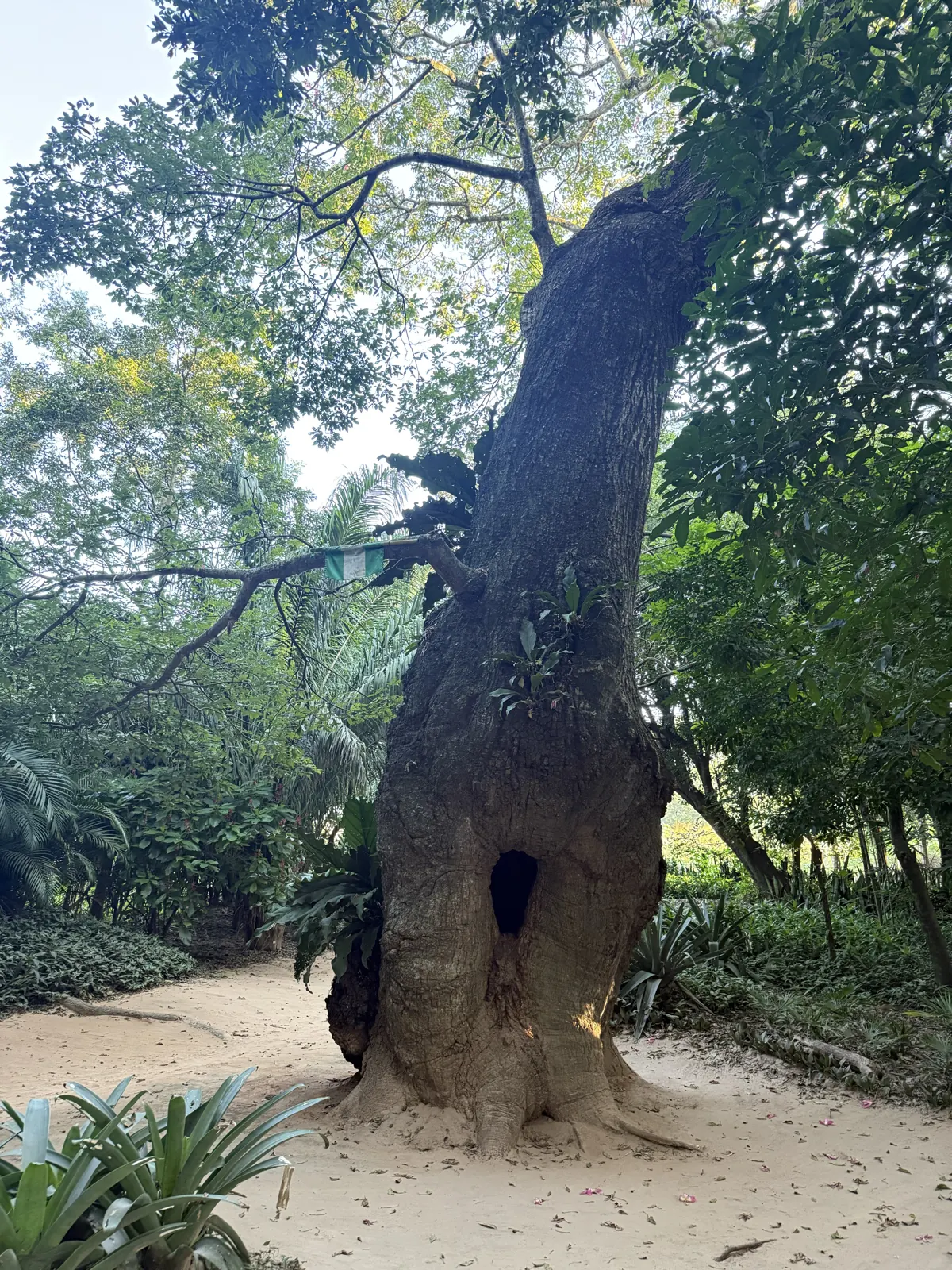
I am interested in the possibility of a small community with nature, shared learning, useful skills and more independence. That is a direction I want to explore, not a claim that a completed ecovillage, property offering or investment product already exists. Concept images elsewhere on this site are labelled as future concepts.
Agree how people would live together
Before a shared purchase, discuss ownership, contributions, decision-making, visitors, conflict resolution and how somebody can leave. Put those questions to the appropriate legal professionals. Good intentions are a starting point; a community also needs agreements that still work when people disagree.
Use the same checklist at every viewing
Record the listing date, address privately, usable space, contract length, deposit, included bills, furnishing and who handles repairs. Visit at more than one time if possible. Check mobile reception, internet availability, shade, ventilation, water pressure and the route to groceries and healthcare. Photograph only with permission. Compare the full monthly cost and practical drawbacks beside the attractive features, so one memorable view does not make the whole decision for you.
Build a phased community plan
Start with what one household needs, then consider which facilities genuinely benefit from sharing. Separate a rented trial, a land purchase and a permanent development into different decisions. For each phase, identify who owns the asset, who pays ongoing costs and what happens if participation changes. Ask technical and legal specialists to review the actual site and structure before advertising places or accepting money. My Utopia ideas remain a future direction, not a project currently selling plots.
Connect the place to the whole plan
A home, a residence status and a business arrangement are connected decisions. Start with the ordinary life the property should support: your work, the people living with you, transport, healthcare access and time outdoors. Then check what must remain reachable when one part fails. An attractive rural site may create a long journey for essential services. A city apartment may be a useful first base while you investigate land. I can help organise these choices into a brief and coordinate questions for the relevant specialists. A property introduction does not replace their assessment of ownership, construction or your legal position.
Write an energy and water brief before choosing equipment
List what needs to operate, for how long and under which conditions. Separate essential lighting, communications, refrigeration and water supply from optional loads. Ask a qualified installer to assess actual demand, local conditions, installation requirements, maintenance and replacement costs. For water, investigate the supply, quality, seasonal availability, storage and treatment appropriate to the proposed use. Solar panels or a well are components of a system, not proof that a household is independent. Record the backup arrangement and who will repair it. A design should remain workable when a battery ages, a pump fails or you are away from the property.
Design around comfort and maintainability
My future home interests include a single storey layout, shaded outdoor space and natural materials such as brick, stone and terracotta. These are design preferences to discuss, not a specification that suits every site. A local architect or engineer needs to assess the climate, drainage, ground conditions, ventilation, accessibility and applicable approvals. Ask how materials will be sourced, installed and repaired. Consider cleaning, roof access, insects, moisture and the routes used every day. A beautiful pavilion drawing is a starting point for a conversation. The complete brief should explain how the home will work through changing weather, different occupants and ordinary maintenance.
Treat growing food as a project with inputs
Decide whether you want a small garden, part of your household food supply or a commercial farming activity. Each needs a different amount of land, labour, water, equipment and planning. Investigate soil, irrigation, surrounding land use and possible runoff with a suitable local specialist. Precision agriculture and drones interest me, but equipment only helps when the task, operating permissions and maintenance are understood. Start with a manageable trial and record what you use and produce. Include the work required when you travel. Food resilience is stronger when the plan accounts for seasonal changes and alternative suppliers instead of assuming that the garden will always provide everything.
Turn the vision into a decision file
Keep a short project file with the purpose, options, unresolved questions, estimated costs and people responsible for the next checks. Separate an exploratory visit from a purchase, and a purchase from permission to build. Mark which figures are estimates and which have a written quotation. Agree ownership, access, ongoing contributions and an exit arrangement before sharing major commitments. For a planning enquiry, tell me whether you are exploring a home, rural land or a future shared place, and what decision you need help making. We can agree research, introductions or an accompanied visit as a defined scope. Construction management, engineering certification and a ready to join community are not implied by that enquiry.
Design the community around everyday responsibilities
A shared vision should become an ordinary operating plan. Who handles maintenance, accounts, visitors, shared meals, repairs and decisions that cannot wait? Which spaces are private and which are shared? How is work recognised when contributions differ? Discuss this before anyone interprets friendship as an agreement. A community needs room for people to have different rhythms without turning every difference into a vote or a conflict.
Test a small gathering before a shared property
Consider a temporary gathering or a limited project with a clear end date. Agree costs, responsibilities, privacy, visitors and what you want to learn. Observe how people make decisions when something goes wrong or somebody cannot participate. A successful weekend is not proof that long-term co-ownership will work, but a small trial can reveal questions that a concept drawing misses. Take those questions into the professional and practical work that follows.
Make leaving possible without making it personal
Ask how someone could leave, recover an agreed contribution, sell an interest or hand over responsibilities. What happens if somebody becomes ill, relationships change or an owner dies? These are questions for suitable legal agreements and the people involved. Discussing them does not mean you expect the project to fail. It makes it easier to join with a clear understanding and less pressure to remain because leaving would feel like betraying the group.
Keep my future vision separate from a present offer
The house and community ideas on this site describe a direction I would like to explore. They are not an available residence, a completed ecovillage or a financial opportunity being sold. If a real project develops, it needs a specific site, named responsibilities, professional checks, a credible budget and agreements before it becomes an offer. For now, the useful conversation is about what kind of place and relationships would support the life you actually want.
Convierte tu pregunta en un próximo paso práctico.
Describe la decisión que estás valorando. Acordamos el alcance y el precio antes de que te comprometas. Una pregunta no crea una reserva ni una obligación de pago.